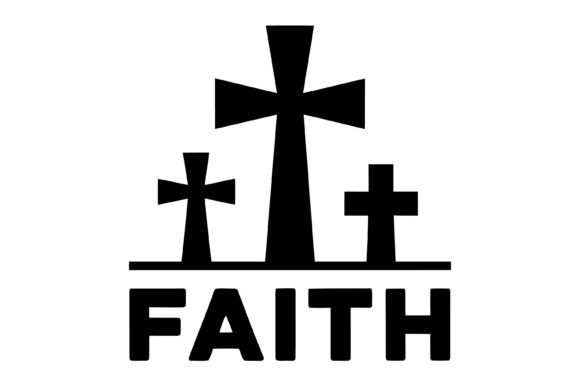
St. Patrick’s Christian Irish Cross PNG
A Quiet, Reverent Shape That Stitches With Purpose
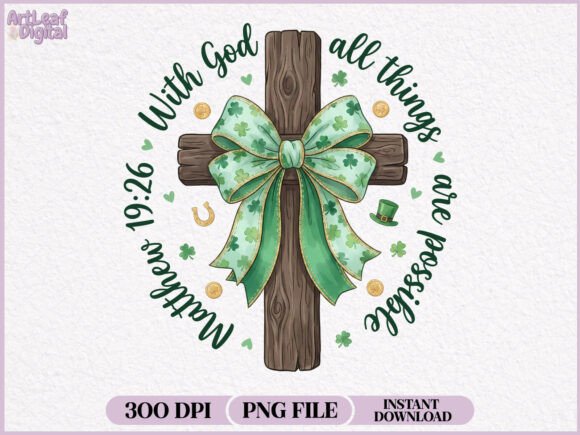
When I opened St. Patrick’s Christian Irish Cross PNG for the first time—not as a buyer, but as someone who’s stitched hundreds of faith-based designs onto everything from newborn onesies to boutique aprons—I felt its tone immediately. It’s not flashy. There’s no ornate Celtic knotwork bleeding into the edges or aggressive metallic thread suggestions baked in. Instead, it’s clean, centered, and quietly confident: a traditional Irish cross with subtle Christian symbolism—likely a Latin cross fused with the circular nimbus—and just enough line weight to hold up in stitch without collapsing. The PNG format tells me this isn’t a ready-to-embroider file out of the box; it’s a design asset meant for digitizing, which means my judgment starts here—not at the hoop, but at the vector stage.
Where This Design Finds Its Truest Voice
I recently used a digitized version of St. Patrick’s Christian Irish Cross PNG on a natural linen tote bag for a local Catholic school fundraiser. No glitter, no neon thread—just soft ecru cotton twill and matte charcoal embroidery. The result? Calm recognition. Parents paused, smiled, nodded. Not because it shouted “Irish!” or “Christian!” but because it *felt* like both—grounded, respectful, unhurried. That’s where this design thrives: in handmade products that carry meaning without demanding attention. Think embroidered baby blankets for baptism gifts, simple sweatshirt fronts for parish youth groups, minimalist pillow covers for quiet home spaces, or tea towels for kitchen sanctuaries. It also works beautifully as an embroidered patch—clean outer edge, balanced proportions—ideal for attaching to denim jackets or scout vests.
What Holds Up—and What Needs Thought
The cross itself is generously scaled in the PNG, with clear negative space between arms and circle. That translates well to fill stitch and satin stitch execution—but only if digitized with appropriate stitch density. On a lightweight cotton t-shirt, too-heavy fills can cause puckering; on fleece or thick sweatshirts, lighter underlay and strategic stop points keep the shape crisp. I’d avoid using St. Patrick’s Christian Irish Cross PNG on highly textured fabrics (like bouclé or heavy terry) unless you’re willing to test stabilizer combinations—cutaway + tear-away layered often saves the day. And while it reads clearly on dark fabric, skip ultra-fine thread (60wt) for the outer outline; 40wt gives better presence and durability for everyday wear.
Fabric & Fit: Where Practicality Meets Intention
This isn’t a design for curved surfaces like baseball caps—its symmetry and central mass don’t adapt easily to front-panel distortion without careful re-digitizing. Likewise, tiny hoops (under 4” x 4”) will force compromise: either shrinking detail until the circle blurs, or cropping part of the cross. For baby embroidery, keep it above 3.5” tall minimum—smaller versions lose legibility after washing. And yes, it *can* go on stretchy knit fabric (think crewneck tees), but only with proper cutaway stabilizer and reduced top tension. Skip it on sheer voile or delicate lace unless you’re adding backing fabric first—this design earns its dignity through clarity, not translucence.
Why Customers Trust What They Can Feel
When a customer sees a well-executed St. Patrick’s Christian Irish Cross PNG on a finished product, they don’t see pixels—they feel intention. That matters deeply for personalized gifts, holiday embroidery, and boutique branding. A hand-stitched-looking satin border, even when machine-made, signals care. The cross’s modest scale (not overwhelming, not timid) makes it wearable across ages—teenagers accept it on hoodies; grandparents welcome it on prayer shawls. For Etsy sellers and small shop owners, that versatility is gold: one design, multiple applications, consistent brand warmth. It doesn’t chase trends—it supports them. Pair it with a simple monogram or date in running stitch, and suddenly it’s a keepsake, not just apparel.
Designer Notes You’ll Actually Use
- Always digitize from scratch—or verify your digitizer understands stitch behavior on low-contrast fabrics. PNGs don’t carry stitch logic.
- Test on scrap fabric that matches your final product’s weight, weave, and stretch—especially for custom apparel and baby embroidery.
- Check thread color contrast early: charcoal on oatmeal linen reads differently than navy on black cotton. Print a black-and-white mockup first.
- Review stitch density in the circle area—tight fills there can cause stiffness. Slight under-stitching or open satin helps breathability.
- Confirm licensing before listing finished items or digital embroidery files. Just because it’s a PNG doesn’t mean it’s royalty-free for resale.
- For commercial embroidery, run a 5–10 piece batch before full production. Watch how corners settle, how wash cycles affect sheen, how light hits the satin arm edges.
Final Thought: Meaning Needs Craftsmanship—Not Just Motif
St. Patrick’s Christian Irish Cross PNG won’t dazzle with complexity—but then, it’s not meant to. Its strength lies in restraint, balance, and quiet resonance. As a T-Shirt Designs asset, it’s versatile, but its soul lives in slower, more considered projects: heirloom baby embroidery, thoughtful holiday gifts, parish merchandise that feels human-made, not mass-printed. If you’re stitching for connection—not just coverage—this design earns its place in your library. Just remember: the PNG is the beginning, not the end. Your digitizing choices, fabric pairings, and finishing care are what turn reverence into reality.